What Dark Web Credit Card Markets Actually Are
Dark web credit card sites are forums and marketplaces hosted on the Tor network where stolen payment card data is bought and sold. These sites typically operate as invite-only communities or open markets with reputation systems similar to legitimate e-commerce platforms. Vendors post listings with card details (full number, expiration date, CVV), sometimes bundled with personal information like name and address. Buyers pay in cryptocurrency, usually Bitcoin or Monero, and receive the card data via the site's messaging system or a download link.
These marketplaces are not stable storefronts. Most last between a few months and a few years before they are seized by law enforcement, abandoned by their operators in an exit scam, or replaced by clones and phishing sites. The card data itself comes from data breaches, skimming devices, phishing campaigns and insider theft from retail or financial institutions. A single breach of a major retailer or payment processor can flood these markets with thousands of fresh card numbers within hours.
How Stolen Card Data Reaches These Markets
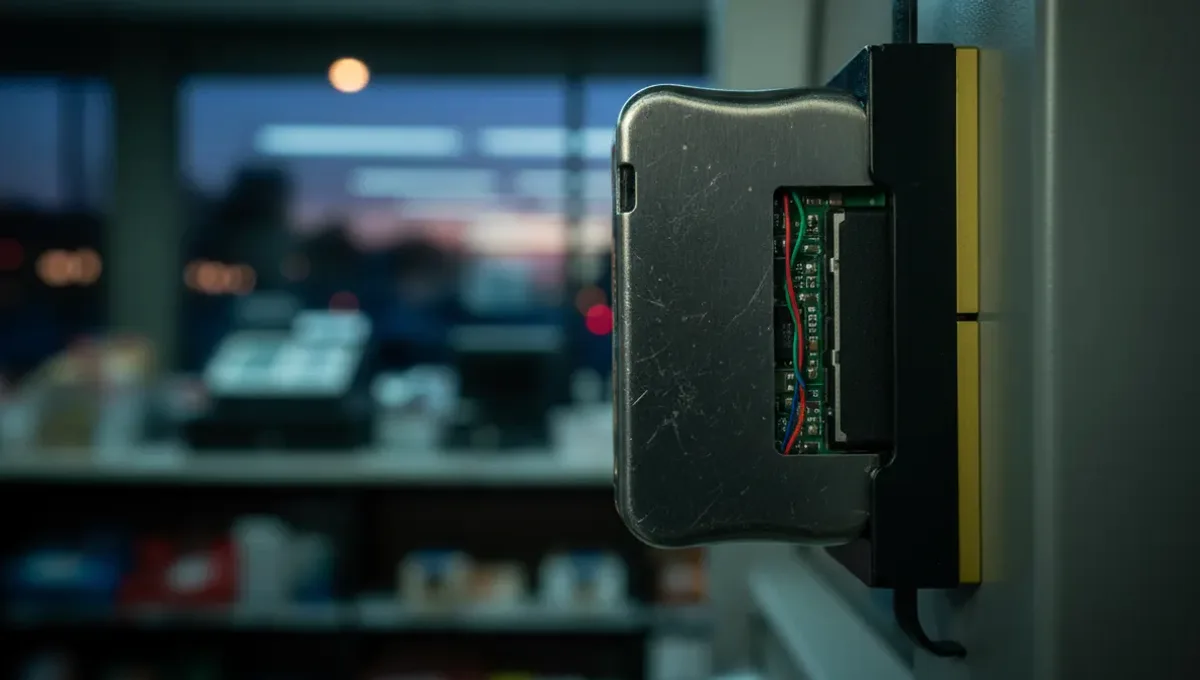
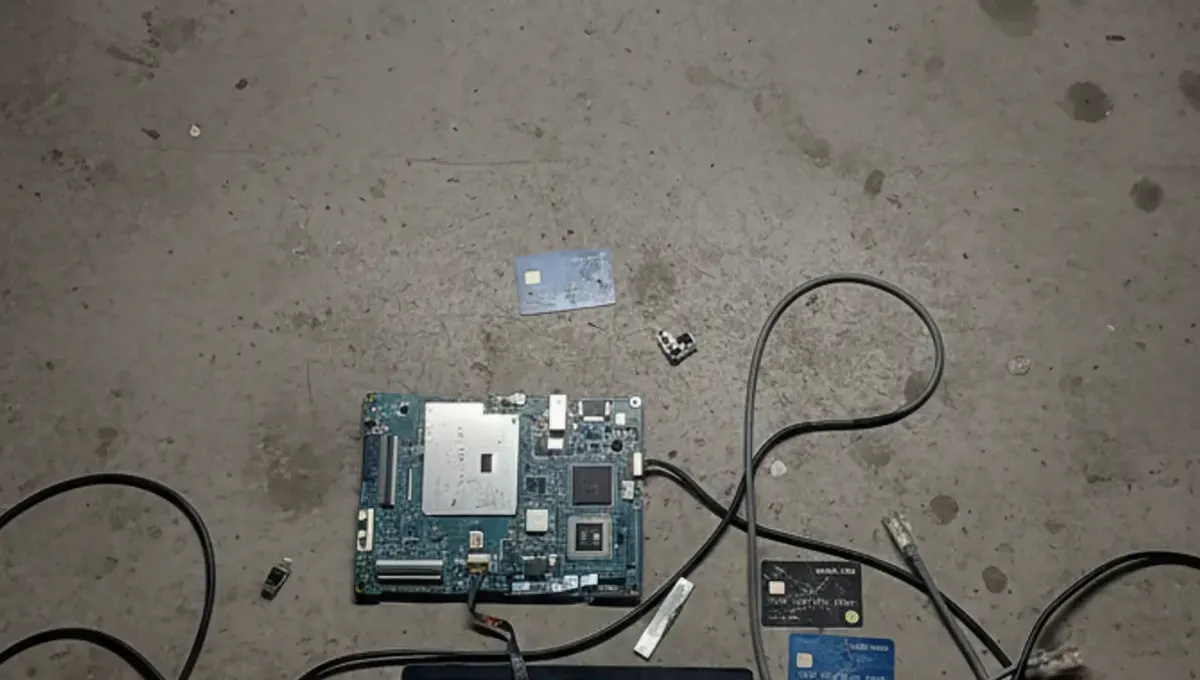
Card data enters dark web markets through several routes. Cybercriminals compromise point-of-sale systems at restaurants, gas stations and retail stores using malware that captures card swipes in real time. They also buy stolen databases from other hackers or data brokers, then resell the card numbers in bulk. Phishing campaigns targeting bank customers and credential stuffing attacks on payment platforms also feed these markets with fresh data.
Once a batch of cards is obtained, the seller tests a sample to verify the data is valid and not already cancelled. They then list the cards by type (Visa, Mastercard, American Express), country of origin, and sometimes by the cardholder's credit limit or account balance. Prices vary widely: a basic card might sell for a few dollars, while premium cards with high limits or from wealthy regions command higher prices. The entire process from breach to market listing can take days or weeks, creating a window where cardholders and banks may not yet know the data was stolen.
Why Buyers on These Sites Lose Money
The majority of people who purchase cards on dark web credit card sites never successfully use them. The most common reason is that the card data is already dead: the cardholder or their bank has already cancelled it, or the card was never valid to begin with. Vendors routinely list fake or already-blocked cards to extract cryptocurrency from buyers. Once payment is sent, there is no refund mechanism and no recourse.
A second major loss vector is the exit scam. A marketplace operator collects deposits and escrow payments from buyers and sellers for weeks or months, then disappears with the funds. This has happened repeatedly with well-known dark web markets. Third, law enforcement has infiltrated many of these sites and arrested both operators and high-volume buyers. Purchasing stolen payment data is a federal crime in most countries, carrying prison sentences and asset seizure. Finally, many card listings are honeypots set by law enforcement or security researchers to identify and track buyers.
Reality: How These Markets Actually Fail
According to Tor Project documentation and public law enforcement press releases, the average lifespan of a dark web marketplace is 18 to 36 months before seizure or operator abandonment. This matters because it means any card you buy today may be useless by tomorrow, and the site itself may be shut down within months, leaving you with no way to dispute a bad transaction.
Court records from prosecutions of dark web market operators show that law enforcement agencies worldwide now routinely monitor these sites using undercover accounts, blockchain analysis and Tor exit node monitoring. The FBI, Secret Service, Europol and other agencies have successfully traced cryptocurrency payments, identified buyers through operational security failures, and executed arrests. Security vendor incident reports document that many card listings are actually test purchases by law enforcement or fraud detection systems, meaning a buyer who tests a card may immediately trigger an investigation.
A third reality is that the card data depreciates rapidly. Within days of a breach, a card is often already flagged by the issuing bank's fraud detection system. Vendors know this and price cards accordingly: fresh dumps cost more, old cards cost less. Buyers who wait more than a few hours to test a purchased card almost always find it is already blocked. This creates pressure to use stolen cards immediately, which increases the risk of detection and prosecution.
How Phishing Clones and Scam Sites Exploit the Ecosystem
Because legitimate dark web credit card sites attract buyers with money, criminals create fake versions of popular marketplaces. These phishing clones are hosted on lookalike .onion addresses and advertised on forums and social media. A buyer who visits a clone instead of the real site enters their username, password and cryptocurrency wallet details, which are immediately stolen.
Phishing clones are so prevalent that even experienced dark web users struggle to verify which address is authentic. The Tor Project documentation on onion service security emphasizes that .onion addresses are long, random strings with no inherent meaning, making them easy to spoof. A real marketplace operator may publish a PGP-signed announcement with the correct address, but many buyers skip this verification step. Scammers also create entirely fake marketplaces with no real card inventory, collecting deposits and then closing the site.
Another tactic is the selective scam: a marketplace operates legitimately for weeks to build reputation, then suddenly stops processing withdrawals or starts delivering fake card data to new buyers while maintaining the facade of legitimacy. By the time buyers realize they have been scammed, the operator has already moved the cryptocurrency to a mixer or exchange.
The Legal and Operational Consequences
Purchasing stolen payment card data is a federal crime under the Computer Fraud and Abuse Act, the Identity Theft Enforcement and Restitution Act, and wire fraud statutes in the United States. Similar laws exist in the European Union, Canada, Australia and most other countries. Convictions carry sentences of 5 to 15 years in prison, substantial fines and restitution orders. Even a single purchase can result in prosecution.
Law enforcement agencies have successfully prosecuted hundreds of dark web credit card buyers. These cases typically begin with blockchain analysis of cryptocurrency transactions, which can sometimes be linked to exchange accounts or wallet addresses tied to real identities. Operational security failures like reusing usernames, logging in from the same IP address without a VPN, or using personal information in marketplace profiles have led to arrests. The Secret Service and FBI maintain specialized units dedicated to tracking dark web financial crime.
Beyond criminal liability, buyers of stolen cards may face civil liability if they use the cards and the cardholder or bank sues for damages. They may also be held liable for fraud losses if they are identified through law enforcement investigation.
What to Do If Your Card Was Compromised
If you believe your credit card information has been stolen, contact your card issuer immediately by calling the number on the back of your card. Do not use a number from an email or text message, as these may be phishing attempts. Your bank can cancel the card, reverse fraudulent charges and issue a replacement card.
Monitor your credit reports for unauthorized accounts or inquiries. You can request a free credit report from each of the three major bureaus (Equifax, Experian, TransUnion) once per year. Consider placing a fraud alert or credit freeze with the bureaus to prevent criminals from opening accounts in your name. If you have been notified of a data breach affecting your information, many companies offer free credit monitoring and identity theft protection for a set period.
For future protection, use unique, strong passwords for each online account and enable two-factor authentication wherever available. Avoid using debit cards online when possible; credit cards offer stronger fraud protections. Be cautious of phishing emails and unsolicited calls claiming to be from your bank. Legitimate banks never ask for your full card number, PIN or CVV via email or phone.
Why Understanding This Matters
The dark web credit card ecosystem is not a reliable marketplace where people can buy stolen data and use it successfully. It is a high-risk environment where most transactions result in financial loss, where law enforcement is actively present, and where the legal consequences are severe. Understanding how these sites operate, why they fail and what happens to people who use them is essential for anyone concerned about cybersecurity, data privacy or the broader threat landscape.
If you work in fraud prevention, security research or law enforcement, this knowledge helps you understand how stolen data moves through criminal networks and where intervention points exist. If you are a business owner, it underscores the importance of securing payment systems and monitoring for breaches. If you are an ordinary internet user, it reinforces why strong passwords, two-factor authentication and vigilance against phishing are not optional. The best protection is awareness: knowing that these sites exist, how they work and why they are dangerous means you are far less likely to become a victim or a defendant.
Frequently Asked
Are dark web credit card sites real or scams
Both. Real marketplaces do exist and operate for months or years, but most transactions on them result in loss because card data is already cancelled, listings are fake, or the site disappears with buyer deposits. Law enforcement also operates undercover on these sites, making any purchase a criminal liability.
What happens if you buy a stolen credit card online
You almost always lose the cryptocurrency you paid because the card is already blocked or never valid. If you attempt to use the card, you commit wire fraud and identity theft, both federal crimes. Law enforcement can trace cryptocurrency transactions and has prosecuted hundreds of dark web card buyers.
How do credit card numbers end up on the dark web
They are stolen through data breaches of retailers and payment processors, skimming devices on ATMs and gas pumps, phishing campaigns targeting bank customers, and insider theft. Cybercriminals then sell the stolen data in bulk to vendors on dark web marketplaces.
Can you really use stolen credit cards from the dark web
Rarely. Most stolen card data is detected and blocked by the issuing bank within hours or days of the breach. Even if a card works initially, using it is a federal crime that can result in 5 to 15 years in prison. Law enforcement actively monitors these markets and prosecutes buyers.
What should I do if my credit card was stolen
Call your card issuer immediately using the number on the back of your card. They will cancel it and reverse fraudulent charges. Monitor your credit reports for unauthorized accounts and consider placing a fraud alert or credit freeze with the credit bureaus.