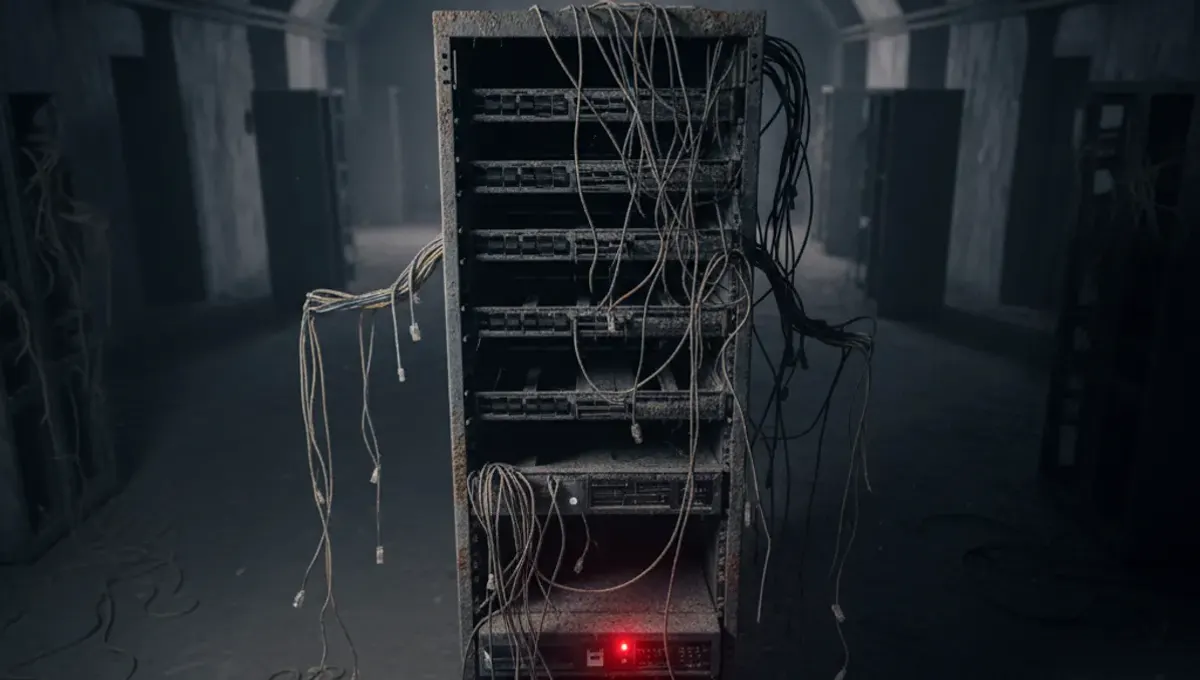
What Dark Web Hacking Sites Actually Are
A dark web hacking site is typically a forum or marketplace hosted on the Tor network, accessible only through the Tor Browser. These sites operate as communities where cybercriminals advertise stolen credentials, malware, ransomware, zero-day exploits, and services like DDoS attacks or account takeovers. Some are legitimate security research communities; most are criminal enterprises or law-enforcement operations.
The distinction matters because a dark web site hacking forum might appear to offer real tools but is actually a scam designed to steal cryptocurrency from buyers. Others are genuine criminal markets that have operated for years before being seized. The common thread is that all of them carry extreme legal risk for participants, regardless of whether they are buying or selling.
How Hacking Marketplaces and Forums Operate
Dark web hacking websites typically use a reputation system similar to legitimate e-commerce platforms. Vendors build trust through feedback, escrow holds cryptocurrency during transactions, and moderators enforce rules to prevent obvious scams. However, exit scams are routine: a vendor or the site operator simply disappears with all held funds.
Forums operate differently. They require membership, often with an entry fee or a vetting process. Members post exploits, malware samples, and tutorials. Some forums have been documented operating for over a decade before law enforcement takedowns. The infrastructure relies on Tor's anonymity, but this anonymity is not absolute. Law enforcement has repeatedly infiltrated these communities by posing as members or by compromising the server itself.
The Reality of Scams and Honeypots
Most transactions on dark web hacking sites result in loss. A buyer sends cryptocurrency for a tool or data dump and receives nothing, or receives malware instead. Sellers disappear after a few successful transactions. Escrow systems help but do not eliminate this risk because moderators themselves may be complicit in the scam.
Law enforcement agencies, including the FBI and Europol, have run honeypot operations posing as vendors or entire marketplaces. These operations collect evidence on buyers and sellers for prosecution. A person who believes they are purchasing a hacking tool may actually be interacting with an undercover agent. The anonymity of Tor does not protect against this because law enforcement can identify users through transaction patterns, operational security mistakes, or by compromising the Tor exit node.
Why These Sites Fail and Get Seized
Dark web hacking sites are inherently unstable. They rely on trust in an environment where anonymity removes accountability. Operators face pressure from law enforcement, competing criminal groups, and the constant threat of their own infrastructure being compromised. Major marketplaces have been seized after years of operation because investigators traced cryptocurrency transactions, infiltrated the site's administration, or obtained server logs from hosting providers.
The best dark web site from a criminal perspective is one that minimizes its footprint, operates for a short time, and then closes. Long-lived sites accumulate evidence, attract attention, and become targets. When a site is seized, law enforcement typically arrests the operator and users whose identities can be determined from transaction records or communication logs.
Legal and Operational Security Context
According to public law-enforcement press releases and court records, participation in dark web hacking sites carries federal charges including wire fraud, computer fraud, money laundering, and conspiracy. Buyers of stolen data or hacking tools have been prosecuted. This matters because the legal system treats purchasing a hacking service the same as performing the hack yourself.
Operational security failures are common. Users reuse usernames across sites, use the same cryptocurrency addresses, or fail to properly configure Tor. They may use their personal computer without a dedicated virtual machine or operating system like Tails. They may communicate using unencrypted messages or fail to verify PGP signatures on tools before running them. Each mistake creates a trail that law enforcement can follow.
Distinguishing Real Threats from Misinformation
Not all dark web adult site or dark web gore site content is related to hacking. These categories exist but are separate from hacking infrastructure. Conflating them creates confusion about what actually happens on the dark web. Hacking sites are distinct marketplaces with their own operators, rules, and user bases.
Misinformation about dark web hacking websites often exaggerates both the capabilities available and the anonymity provided. Some sources claim that any tool purchased on these sites is guaranteed to work, which is false. Others claim that Tor provides complete anonymity, which is also false. The reality is more nuanced: Tor provides strong anonymity against passive network monitoring, but it does not protect against law enforcement with subpoena power, compromised nodes, or operational security failures by the user.
Protecting Yourself from Scams and Legal Risk
If you are curious about dark web hacking sites from a security awareness or research perspective, the safest approach is to read public documentation and law-enforcement case studies rather than accessing these sites yourself. If you must access the dark web for legitimate reasons, use a dedicated operating system like Tails or Whonix, keep your Tor Browser updated, and never enable plugins or extensions.
Verify any onion address through official channels before visiting. Phishing clones of popular sites are common. Check the Useful Resources page of this site for links to verified directories and PGP-signed announcements. Never download or run tools from untrusted sources. Never reuse usernames or cryptocurrency addresses across sites. Never assume anonymity is complete. The core principle is this: the dark web is not a lawless space. Law enforcement operates there actively, and the legal consequences of participation are real and severe.
Frequently Asked
Are dark web hacking sites real or scams
Both exist. Some are genuine criminal marketplaces that have operated for years; others are scams designed to steal cryptocurrency or honeypots run by law enforcement. Most transactions result in loss. The safest assumption is that any site you encounter is either a scam or monitored by authorities.
Can I get caught buying from a dark web hacking site
Yes. Law enforcement has prosecuted buyers of stolen data and hacking services. Tor provides anonymity against passive monitoring, but it does not protect against law enforcement with subpoena power, compromised nodes, or your own operational security mistakes. Cryptocurrency transactions can be traced.
What is the difference between a dark web hacking site and a forum
Marketplaces use escrow and reputation systems to facilitate transactions for money. Forums are communities where members share tools and knowledge, often with membership fees or vetting. Both carry legal risk for participants. Both are frequently scams or law-enforcement operations.
How do I verify if a dark web address is real
Check the Useful Resources page of this site for verified directories and PGP-signed announcements from official projects. Phishing clones are extremely common. Never trust an address from an untrusted source. If you cannot verify it through multiple official channels, assume it is fake.
What happens when a dark web hacking site gets seized
Law enforcement arrests the operator and prosecutes users whose identities can be determined from transaction records, communication logs, or operational security failures. Court records are public. The site goes offline and is replaced by a seizure notice or a law-enforcement message.