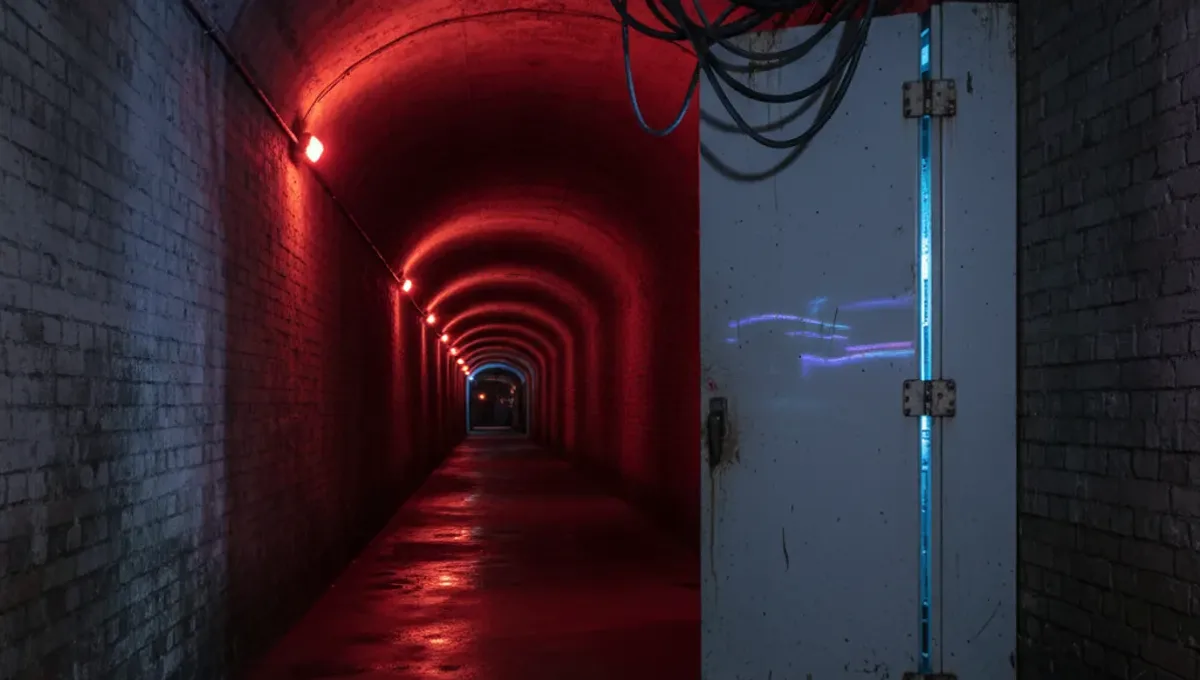
Why Dark Web Pages Look Different from Surface Web Sites
A typical dark web page background is often stark black, dark gray, or a muted color palette. This is not always a stylistic choice. Many onion services run on minimal infrastructure, sometimes hosted on aging servers or Raspberry Pi devices, which limits bandwidth and processing power. Operators prioritize function over aesthetics because the audience expects anonymity and speed, not polish.
The dark web home page design also reflects cultural norms within the community. Flashy graphics, animations, and heavy CSS can slow page load times over Tor, which already operates at reduced speeds. A deliberately plain background signals that the site's builders care about performance and user experience under constraint. Conversely, some sites use dark backgrounds as camouflage, making them harder to screenshot or archive. The visual simplicity is often intentional.
Common Visual Patterns on Onion Services
Most active onion services use one of a few recurring design patterns. The plainest sites display white or light gray text on a black background with minimal formatting. These tend to be forums, marketplaces, and information repositories that prioritize readability and load speed. A dark web page built this way loads in seconds even on a slow connection.
Other sites use a dark blue or dark green background, sometimes with a retro aesthetic reminiscent of 1990s web design. This choice often signals either age (the site has been online for years and was never redesigned) or deliberate nostalgia. Some operators use this look to signal trustworthiness through familiarity. A dark web home page image, when archived or screenshotted, often shows this limited palette because the operators assume visitors will access it once and move on, not bookmark it or share screenshots.
How Phishing Clones Exploit Visual Familiarity
Attackers create fake versions of legitimate onion services by copying the visual design, including the background color, layout, and typography. A phishing clone of a well-known dark web page may look identical at first glance, with the same dark background and text arrangement. The only difference is the .onion address in the URL bar, which many users overlook.
To verify you are on the real site, check the PGP-signed announcement on the official project's communication channels. Never rely on visual appearance alone. The best dark dark web pages include a security notice or a PGP key fingerprint displayed prominently so users can verify authenticity. If a site's background design suddenly changes or looks unfamiliar, treat it as a red flag and verify the address through an independent source before logging in or entering sensitive data.
Technical Constraints That Shape Dark Web Visual Design
Tor connections are slower than clearnet connections, typically 5 to 10 times slower depending on network load and relay quality. This technical reality drives design choices. A dark web page background that is a solid color loads instantly, while a background image or gradient animation can add seconds to page load time. Operators know this and optimize accordingly.
Many onion services also run on limited hardware or shared hosting, which restricts CPU and memory available for rendering complex CSS or JavaScript. A minimal dark background requires almost no processing power. Additionally, some operators deliberately avoid JavaScript and external resources to reduce attack surface and improve security. The result is that the best dark web pages often look spartan by modern web standards, but this simplicity is a feature, not a bug. It reflects a different set of priorities: speed, security, and anonymity over visual polish.
Reality Layer: What Actually Happens with Onion Service Design
According to Tor Project documentation on onion service best practices, operators are advised to minimize external dependencies and keep page rendering lightweight to reduce exposure to browser-based attacks. This guidance directly influences why dark web page backgrounds remain simple. Security researchers studying onion services have noted that sites with heavy JavaScript and external resources are more likely to be honeypots or law-enforcement operations, because legitimate privacy-focused operators avoid these attack vectors.
Court records from darknet marketplace seizures show that many sites used intentionally crude designs to signal that the operator was focused on function rather than scamming users. Conversely, sites with polished, professional backgrounds were sometimes flagged by users as suspicious because they seemed to invest resources in appearance rather than security. Law-enforcement agencies have also noted that phishing clones often fail because they copy the visual design but not the security practices, making them detectable to experienced users. This means the visual plainness of a dark web home page is often a marker of legitimacy, not amateurism.
Assessing Legitimacy Through Visual Cues
A legitimate onion service typically displays one or more of these visual markers. The site uses HTTPS (shown as a green lock in Tor Browser) and displays a security certificate. The dark web page background is consistent with previous versions you may have seen or that are archived on the Wayback Machine. The site includes a PGP public key or a signed message from the operators, usually displayed prominently.
If a site's background suddenly changes dramatically, or if the layout shifts in ways that don't match archived versions, verify the .onion address independently. Cross-reference the address against official announcements on Reddit, Twitter, or the project's own communication channels. The best dark web pages include a link to their official PGP key or a statement like "This is the only official address for this service." If you see a dark web home page image that looks unfamiliar, do not proceed until you have confirmed the address through a trusted source.
What to Do When You Encounter an Unfamiliar Dark Web Page
When you land on a dark web page background that looks suspicious or unfamiliar, take these steps before interacting with it.
- Note the exact .onion address from the URL bar and copy it.
- Close the page and search for the site name on Reddit, the Tor Project forums, or other community spaces to see if others have reported it.
- Check the official project's website or social media for a list of verified .onion addresses.
- If the site claims to be a marketplace or forum, look for PGP-signed announcements from the operators.
- Use a search engine like DuckDuckGo to find archived versions of the site on the Wayback Machine and compare the visual design.
- If the address does not match any verified source, assume it is a phishing clone and do not enter any credentials or personal information.
Take your time with this verification process. A few minutes of checking now prevents account compromise or data theft later.
Moving Forward: Verify Before You Trust
The visual appearance of a dark web page tells you something, but it is not the whole story. A plain dark background with minimal design can signal either a legitimate, security-conscious operator or a hastily thrown-together phishing clone. The only reliable way to know is to verify the .onion address independently through official channels.
Start by visiting the Useful Resources page on this site, which lists verified onion addresses for major projects and forums. When you find a site you want to use, check its PGP key and verify any signed announcements. Do not assume that a dark web home page image you see on Reddit or in a screenshot is authentic. Operators of legitimate services go to great lengths to communicate their real addresses and warn users about clones. Use that information as your baseline, and always verify before you trust.
Frequently Asked
Why do dark web pages look so plain and ugly
Dark web pages prioritize speed and security over visual polish. Tor connections are slow, and operators minimize bandwidth use by avoiding heavy graphics, animations, and external resources. A plain dark background loads instantly and reduces attack surface. This aesthetic is intentional, not a sign of amateurism.
How can I tell if a dark web page is real or a phishing clone
Check the .onion address against official PGP-signed announcements from the operators. Verify the address on Reddit, the Tor Project forums, or the project's official communication channels. Never rely on visual appearance alone. Legitimate sites include security notices and PGP keys to help users verify authenticity.
What should a dark web home page look like if it is legitimate
A legitimate dark web page typically uses a simple dark background, includes a security certificate (HTTPS), and displays a PGP public key or signed message from the operators. The design should match archived versions on the Wayback Machine. If the visual design changes dramatically or looks unfamiliar, verify the address before proceeding.
Do dark web pages use images in their backgrounds
Most active onion services avoid background images because they increase page load time over slow Tor connections. Some older or less security-conscious sites may use images, but this is uncommon. A solid dark color is the standard because it loads instantly and minimizes bandwidth use.
What does it mean if a dark web page has a professional looking design
A polished, professional design on an onion service can be a red flag. Legitimate privacy-focused operators invest in security and speed, not visual aesthetics. A professional-looking dark web page may indicate a phishing clone, a honeypot, or a scam site designed to appear trustworthy. Always verify the address independently.