How Dark Web Video Sites Operate Technically
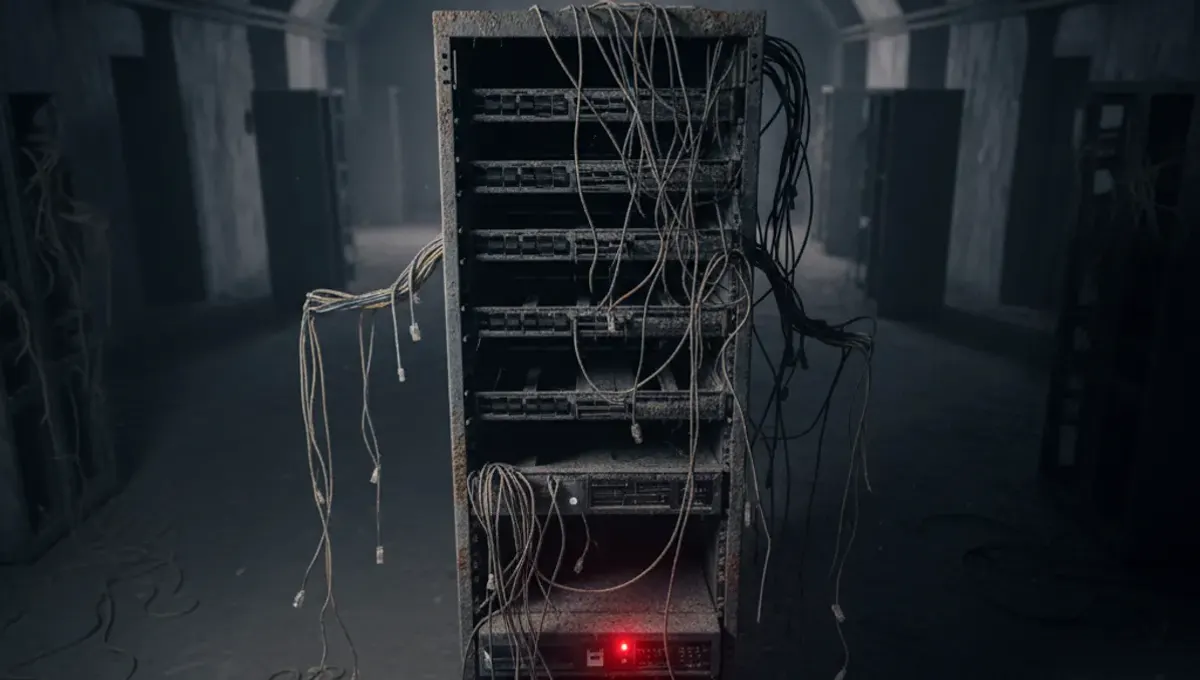
Dark web video sites function as onion services hosted on Tor, meaning their infrastructure is distributed across volunteer-run relays and hidden behind layers of encryption. Unlike surface web platforms, they do not rely on centralized servers or DNS records. Video files are typically stored using peer-to-peer protocols, distributed file systems like IPFS, or encrypted cloud storage that the site operator controls. Access requires the Tor Browser and knowledge of the correct onion address. Because the hosting infrastructure is decentralized and the operator's identity is obscured by Tor's routing, these sites can remain online even after law enforcement identifies and seizes individual servers. The trade-off is that video quality and upload speed are often poor, and the site's uptime depends on the operator's commitment and technical competence.
Content Categories and Why They Exist
Dark web video sites host content across a wide spectrum. Some distribute leaked corporate documents, security research, and whistleblower material. Others host adult content that would violate laws in many jurisdictions. A best dark web site for certain researchers might focus on security testing or privacy education, while a dark web gore site or dark web adult site attracts users seeking content banned from mainstream platforms. A dark web hacking site might offer tutorials, tool demonstrations, or captured security conference talks. The common thread is that all of these categories exist because the operators believe they cannot host the content safely on the surface web. This does not mean the content is legal; it means the operators are betting that Tor's anonymity will protect them from prosecution.
How Anonymity and Encryption Create Risk
Tor Browser routes your traffic through multiple relays, making your IP address invisible to the site operator. However, anonymity is not absolute. Law enforcement agencies, including the FBI and Europol, have successfully de-anonymized Tor users by exploiting browser vulnerabilities, analyzing traffic patterns, or obtaining server logs after seizing infrastructure. Security researchers have documented that users who maximize their browser window, enable plugins, or use non-standard configurations can leak identifying information. Additionally, if you download a video file from a dark web video site, that file may contain metadata, malware, or tracking code. The file itself becomes a record on your device. Combining Tor with a VPN, using Tails or Whonix for isolation, and disabling JavaScript in Tor Browser are standard practices, but they do not guarantee immunity.
Reality Layer: What Actually Happens in Practice
According to Tor Project documentation, the majority of Tor traffic is legitimate: privacy advocates, journalists, activists, and ordinary users seeking anonymity. However, law enforcement press releases and court records show that when dark web video sites host illegal content, investigations often succeed through a combination of technical analysis, informant tips, and operational security failures by the site operator. A common mistake is reusing usernames, email addresses, or payment information across platforms. Another is hosting the site on infrastructure that can be traced back to the operator's real identity. Security vendor incident reports document that many dark web video sites are actually honeypots or law enforcement operations designed to identify users. The lesson for ordinary users is that visiting a dark web video site does not automatically make you a criminal, but downloading files or interacting with the site creates a record on your device and potentially in your browser history, and the site itself may be monitored.
Phishing Clones and How to Verify a Real Address
Phishing clones are fake onion addresses designed to mimic legitimate dark web video sites. An attacker registers a similar-looking .onion address and hosts a replica site that captures login credentials, wallet addresses, or personal information. Because onion addresses are long, random strings of characters, users often rely on bookmarks or word-of-mouth, making them vulnerable to typos or misdirection. The only reliable way to verify an onion address is to check a PGP-signed announcement from the site operator on a trusted channel, such as a forum post signed with the operator's known key or a message on a verified social media account. Never trust an address shared in a chat or forum post without verification. If you are researching a specific dark web site, consult the Useful Resources page of this site for guidance on finding verified addresses and avoiding phishing.
Legal and Law Enforcement Context
Visiting a dark web video site is not illegal in most jurisdictions. Downloading or distributing certain content is. The distinction matters. Possessing child sexual abuse material, for example, is a serious felony in virtually all countries, regardless of where the file is hosted. Distributing copyrighted video content without permission violates copyright law. Accessing hacking tutorials or malware samples for research purposes exists in a gray zone; academic researchers and security professionals do this with institutional oversight and legal counsel. Law enforcement agencies worldwide have dedicated teams to monitor dark web video sites and have successfully prosecuted operators and users. The U.S. Department of Justice, the UK's National Crime Agency, and Europol have all published case summaries describing how investigations unfolded. The pattern is consistent: operators believe Tor will protect them, but operational security failures, informant tips, or technical breakthroughs lead to identification and prosecution.
Safer Practices If You Are Researching This Topic
If you are a security researcher, journalist, or privacy advocate who needs to understand dark web video sites, follow these principles. First, use a dedicated device or virtual machine running Tails or Whonix, not your main computer. Second, disable JavaScript in Tor Browser settings. Third, do not maximize your browser window; use a standard size to avoid fingerprinting. Fourth, do not download files unless absolutely necessary, and if you do, scan them with antivirus software and analyze them in an isolated environment. Fifth, do not interact with the site beyond passive observation. Sixth, do not share the onion address or screenshots in a way that could identify you or the site to third parties. Seventh, document your research in a way that protects your sources and complies with your organization's legal and ethical guidelines. These practices reduce, but do not eliminate, the risk of malware infection, de-anonymization, or legal exposure.
What You Should Do Now
If you stumbled on a dark web video site by accident or curiosity, the safest action is to close Tor Browser and move on. If you are researching the dark web for security, journalism, or academic purposes, start by reading the Tor Project's official documentation on how onion services work and the security properties and limitations of Tor. Consult your organization's legal team about what you are permitted to access and document. If you have encountered illegal content, report it to the National Center for Missing and Exploited Children (NCMEC) in the U.S. or your country's equivalent agency. If you are concerned about your own data appearing on a dark web video site or marketplace, use a dark web monitoring service recommended by your security team or consult a privacy professional. The key is to move from passive concern to informed action based on your actual role and risk.
Frequently Asked
Is it illegal to visit a dark web video site
Visiting a dark web video site is not illegal in most countries. Downloading, distributing, or possessing certain content hosted on such sites may be illegal depending on the content and your jurisdiction. If the site hosts child sexual abuse material, copyright-infringing content, or other prohibited material, accessing or downloading it can result in criminal charges.
How do I know if a dark web video site is real or a phishing clone
Verify the onion address against a PGP-signed announcement from the site operator on a trusted channel. Never trust an address shared in chat or forums without verification. Check the Useful Resources page of this site for guidance on finding verified addresses. If you cannot verify the address, assume it is a phishing clone designed to steal credentials or personal information.
Can I be tracked if I visit a dark web video site using Tor Browser
Tor Browser hides your IP address from the site operator, but law enforcement and advanced attackers can de-anonymize Tor users through browser vulnerabilities, traffic analysis, or operational security failures. Combining Tor with a VPN, using Tails or Whonix, and disabling JavaScript reduce risk but do not guarantee anonymity. Downloading files creates a record on your device that can be recovered.
What should I do if I accidentally found illegal content on a dark web video site
Do not download or interact with the content. Report it to the National Center for Missing and Exploited Children (NCMEC) if it involves child exploitation, or to your country's equivalent law enforcement agency. Provide the onion address and a description of what you found. Do not attempt to investigate further or share the address with others.
Why do dark web video sites exist if they are monitored by law enforcement
Operators believe Tor's anonymity will protect them, and some sites operate successfully for years before being seized. However, law enforcement has successfully prosecuted many operators through technical investigation, informant tips, and operational security failures. The risk is real, but the perceived reward of anonymity and the difficulty of law enforcement coordination across jurisdictions keep new sites appearing.