What a Darkweb Market Website Actually Is
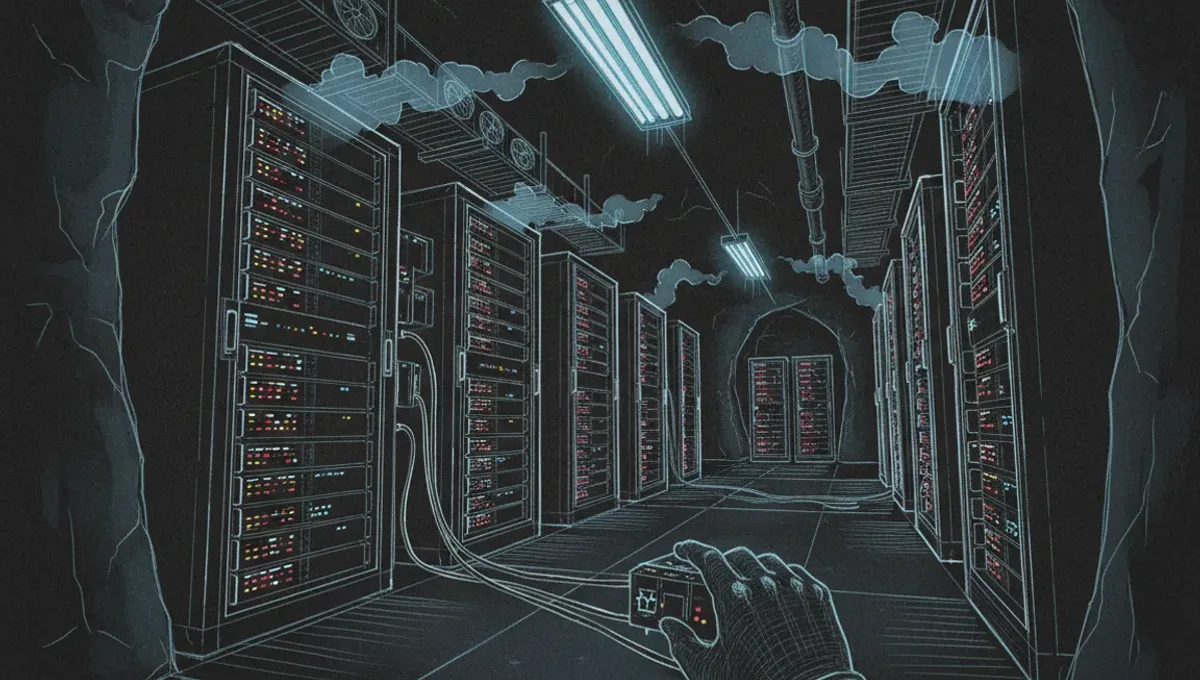
A darkweb market website functions as a peer-to-peer trading platform built on Tor infrastructure. Unlike a conventional e-commerce site, it does not rely on a central company or payment processor. Instead, transactions are mediated through cryptocurrency (usually Bitcoin or Monero) and the site operator holds funds in escrow until both parties confirm the trade. The marketplace itself is software running on a server accessible only through Tor, meaning the site's IP address is hidden and users connect anonymously.
These platforms typically include user accounts, feedback systems, dispute resolution, and vendor verification mechanisms. The best darknet website operators invested in security features like two-factor authentication, PGP key verification, and multi-signature wallets. However, the anonymity that protects users also protects criminals, and the lack of legal recourse means disputes are resolved by the operator's judgment alone, not by law.
How Darkweb Market Websites Operated in Practice
Successful darkweb market websites operated with a specific workflow. A vendor would register, post listings with photographs and descriptions, set prices in cryptocurrency, and wait for buyers. Buyers would browse, place orders, and send payment to an address controlled by the marketplace. The operator would hold the funds until the buyer confirmed receipt of goods. Feedback and reputation scores were public, creating a trust layer similar to eBay or Amazon.
Operators generated revenue by taking a commission on each transaction, typically 2-6 percent. Some sites also charged vendor listing fees or offered premium features. The largest and longest-running marketplaces accumulated millions of transactions and millions of dollars in cryptocurrency. However, this visibility and profitability also made them targets. Law enforcement agencies worldwide developed techniques to identify server locations, trace cryptocurrency flows, and infiltrate forums where vendors coordinated.
Why Top Darkweb Sites Attracted Law Enforcement
The primary reason top darkweb sites became law enforcement priorities is that they facilitated illegal goods and services on a massive scale. Court records and public law-enforcement press releases document seizures of marketplaces that sold drugs, stolen data, malware, forged documents, and weapons. The scale was not marginal: some marketplaces processed hundreds of millions of dollars annually.
Law enforcement agencies developed multiple investigative paths. Some targeted the operator directly by tracing cryptocurrency transactions or identifying hosting infrastructure. Others infiltrated vendor networks or posed as buyers to gather evidence. A few cases involved cooperation between international agencies. The Tor Project documentation notes that Tor itself does not guarantee anonymity against determined adversaries with resources; law enforcement has successfully de-anonymized users through traffic analysis, malware injection, and operational security failures by suspects. This reality shaped the closure of many best dark web website marketplaces over the past decade.
Reality Layer: How These Sites Actually Fail
Three key insights explain why darkweb market websites rarely survive long term:
- Operator exit scams and theft: Many marketplace operators simply stole all funds held in escrow and disappeared. This happened repeatedly because there is no legal recourse and no insurance. Security-vendor incident reports document cases where operators accumulated millions in cryptocurrency, then vanished overnight, leaving vendors and buyers with no recovery options. This matters because it shows that anonymity cuts both ways: users cannot trust the platform itself.
- Cryptocurrency traceability: Despite popular belief, Bitcoin transactions are pseudonymous, not anonymous. Blockchain analysis firms and law enforcement can trace transaction flows, especially when cryptocurrency enters regulated exchanges. Academic research on onion services and law-enforcement press releases confirm that many marketplace operators were identified this way. Users who assume their Bitcoin purchases are untraceable often face prosecution years later.
- Operational security failures by operators: Most seized marketplaces fell because operators made mistakes: reusing email addresses, logging in from non-Tor networks, or storing unencrypted records. Court records show that technical sophistication does not guarantee security if human behavior is careless. This matters because it illustrates that website darknet operations depend entirely on the operator's discipline.
Phishing Clones and Fake Darknet Websites
One of the most dangerous aspects of darkweb market websites is the proliferation of phishing clones. When a legitimate marketplace gains reputation, scammers create fake versions with similar names and interfaces. A user might find what they think is the official site, log in with their credentials, and lose their account and funds.
Phishing clones exploit the fact that .onion addresses are long, random strings that are difficult to memorize or verify visually. A legitimate marketplace might be at a specific .onion address, but a clone could be at a nearly identical address that differs by one or two characters. Vendors and buyers have lost significant sums this way. To verify a genuine address, users should only access links from PGP-signed announcements posted on trusted forums or the official resources page of this site. Never rely on search results, Reddit posts, or word of mouth to find a darknet website address.
Why Darkweb Market Websites Matter to Ordinary Users
Even if you never use a darkweb market website, these platforms affect you. Data breaches often result in stolen credentials, payment card numbers, and personal information being sold on these marketplaces. If your data appears for sale, you face identity theft and fraud risk. Additionally, ransomware operators use darkweb marketplaces to sell stolen corporate data and to auction access to compromised networks. This creates pressure on companies to pay ransoms, which drives more attacks.
Understanding how these sites work also helps you recognize social engineering and phishing attempts. Scammers often impersonate marketplace operators or vendors in order to trick people into sending cryptocurrency or revealing private keys. Knowing the real mechanics of these platforms makes you less likely to fall for fake offers or promises of anonymity.
Risks and Misconceptions About Darkweb Market Websites
A common misconception is that using Tor or accessing a darkweb market website provides complete anonymity. This is false. Tor protects your IP address from the website operator, but it does not protect you from law enforcement, malware, or your own mistakes. Users have been prosecuted based on cryptocurrency analysis, metadata, and operational security failures, not because Tor was broken.
Another misconception is that all darkweb market websites are equally secure or trustworthy. In reality, many are scams from the start. Some are honeypots run by law enforcement. Others are operated by criminals who steal from their own users. There is no rating system or guarantee. A third misconception is that these sites are necessary for privacy or free speech. While Tor itself has legitimate uses, darkweb market websites are primarily used for illegal commerce, not for political activism or journalism.
What You Should Do Instead
If you are concerned about privacy, data breaches, or your digital security, there are legal and effective alternatives. Use a reputable VPN service for general privacy, enable two-factor authentication on all accounts, monitor your credit reports for signs of identity theft, and use password managers to create unique credentials for each service. If you suspect your data has been compromised, check the Useful Resources page of this site for links to data breach notification services and security monitoring tools.
If you are researching darkweb market websites for academic, journalistic, or security purposes, consult primary sources: court documents from prosecutions, law-enforcement press releases, security research from established firms, and documentation from the Tor Project. Avoid relying on sensationalized articles or unverified claims. The reality of these platforms is complex enough without exaggeration. Your next step is to audit your own digital hygiene: change passwords for critical accounts, enable two-factor authentication, and consider whether you need additional privacy tools for your specific situation.
Frequently Asked
What is a darkweb market website and how does it work
A darkweb market website is an online marketplace hosted on the Tor network using an .onion address. Vendors list goods or services, buyers place orders, and the marketplace operator holds cryptocurrency in escrow until both parties confirm the transaction. Transactions are pseudonymous and mediated by the platform, similar to conventional e-commerce but without legal recourse or regulation.
Are darkweb market websites actually anonymous
No. While Tor hides your IP address from the website, it does not guarantee anonymity against law enforcement or sophisticated adversaries. Cryptocurrency transactions can be traced through blockchain analysis. Operational security failures, metadata, and user mistakes have led to prosecutions. Anonymity is a technical property of Tor, not a legal protection.
How do I know if a darkweb market website is real or a phishing clone
Verify the .onion address only from PGP-signed announcements posted on trusted forums or the official resources page of this site. Never rely on search results or social media. Phishing clones use addresses that differ by one or two characters from the legitimate site. If you are unsure, do not log in or send funds.
Why do darkweb market websites get shut down
Law enforcement agencies identify marketplace operators through cryptocurrency analysis, server location tracking, and operational security failures. Many operators are prosecuted and convicted. Additionally, some marketplaces close because operators conduct exit scams and steal all funds in escrow. Others fail due to technical attacks or competition.
Can my data be sold on a darkweb market website
Yes. Data from breaches is regularly sold on darkweb marketplaces, including credentials, payment card numbers, and personal information. If your data appears for sale, you face identity theft and fraud risk. Monitor your credit reports and use data breach notification services to check if your information has been compromised.