What Gore Websites Are and How They Operate
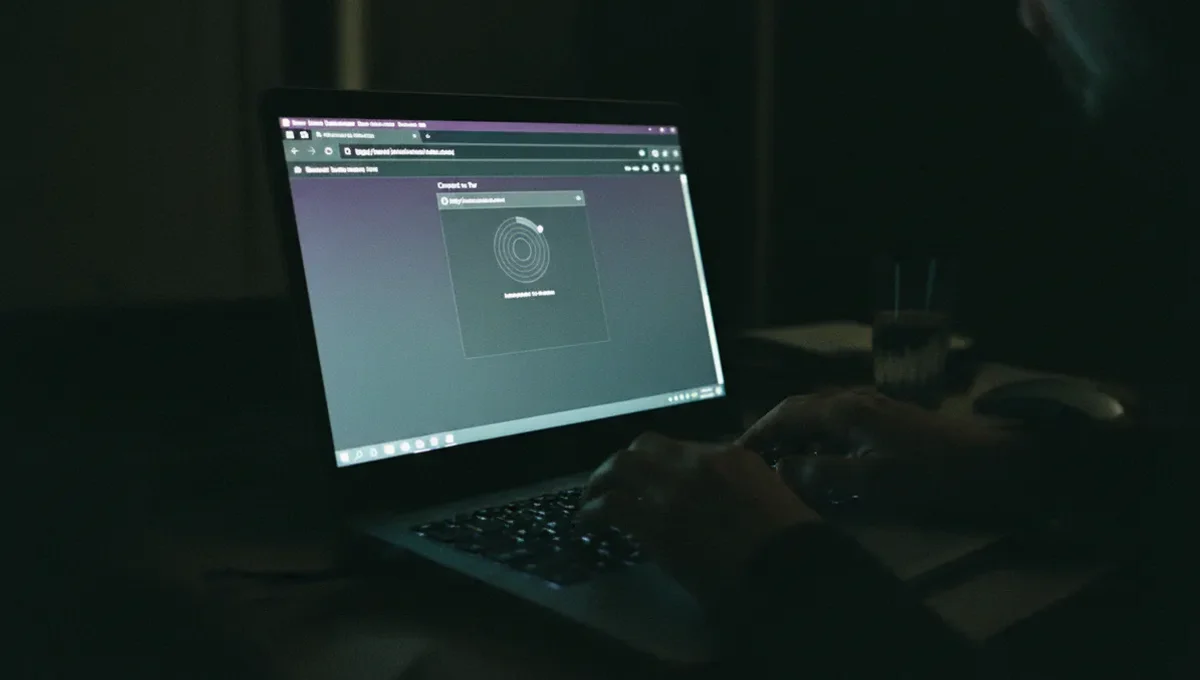
Gore websites on the dark web are platforms designed to host, distribute, or discuss graphic violent imagery, often including real footage of death, injury, or extreme violence. These sites typically operate as forums, image boards, or streaming platforms accessible only through Tor or similar anonymity networks. They rely on onion services to mask their server locations and operator identities, making them difficult for law enforcement to identify and shut down. The content hosted ranges from accident footage and crime scene material to deliberately produced violent videos. Operators often employ multiple mirror sites and backup addresses to maintain continuity after takedowns, a practice that complicates efforts to eliminate them entirely.
The Legal and Law-Enforcement Context
Gore websites occupy a complex legal space. In most countries, hosting or distributing graphic violent content violates laws against obscenity, incitement to violence, or distribution of material depicting real crimes. Law enforcement agencies, including the FBI, Europol, and national cybercrime units, actively investigate these platforms as part of broader efforts to combat illegal content on the dark web. Court records from prosecutions of site operators reveal that many gore websites generate revenue through advertising, donations, or premium membership tiers, making them commercial enterprises rather than casual forums. The challenge for authorities lies in the distributed nature of onion hosting and the difficulty of attributing sites to specific individuals across borders. Takedowns do occur, but operators often reappear under new addresses or migrate to alternative networks.
Why These Sites Persist on the Dark Web
The dark web provides technical infrastructure that makes gore websites harder to discover and disrupt than surface-web equivalents. Onion services offer end-to-end encryption, IP masking, and resistance to domain seizure, creating an environment where operators can maintain anonymity and continuity. The decentralized nature of Tor means that no single point of failure exists; even if one mirror is taken offline, others can remain operational. Additionally, the dark web attracts users seeking content that would be immediately removed from mainstream platforms, creating a ready audience. The anonymity afforded by Tor also reduces social stigma for users, lowering barriers to participation. However, this same anonymity makes it difficult for site operators to verify user identity or prevent law enforcement infiltration, a vulnerability that has led to successful prosecutions.
Risks of Accessing Gore Content Online
Visiting gore websites carries multiple risks beyond the psychological impact of exposure to graphic material. Users who access these sites may inadvertently download malware embedded in images, videos, or site code, compromising their devices and anonymity. Many gore sites are honeypots operated by law enforcement or security researchers to identify and track visitors, meaning access logs may be retained and used in investigations. The sites themselves are frequently targets of scams and extortion schemes, where operators demand payment for access or threaten to expose visitor information. Additionally, repeated exposure to extreme violent imagery can contribute to desensitization and psychological harm. Users who believe they are anonymous through Tor should understand that operational security failures, browser exploits, or law enforcement techniques can still lead to identification.
How Phishing and Clones Exploit Gore Site Names
Scammers and law enforcement agencies create fake gore websites and phishing clones to deceive users. These fraudulent sites mimic the appearance and naming conventions of established platforms, often using similar onion addresses or slight variations that are easy to confuse. When users visit a clone, they may be prompted to enter credentials, download files containing malware, or pay cryptocurrency for access. Phishing clones are particularly effective because users searching for a specific website on the dark web often lack reliable verification methods. To protect yourself, always verify onion addresses through PGP-signed announcements from trusted sources rather than relying on search results or forum recommendations. The Useful Resources page of this site provides guidance on how to authenticate addresses and avoid clones.
Reality Check: What Actually Happens in This Ecosystem
According to Tor Project documentation and public law enforcement press releases, gore websites are among the most frequently targeted illegal content platforms on the dark web, second only to child exploitation material in priority for agencies like the FBI and Europol. This matters because it demonstrates that these sites do not operate with impunity; operators face real risk of arrest and prosecution, and many high-profile cases have resulted in convictions and lengthy sentences. Security-vendor incident reports show that gore sites are also vectors for malware distribution, with operators sometimes deliberately embedding exploit code to compromise visitor devices or harvest data. Academic research on onion services reveals that many gore websites lack sophisticated operational security, making them vulnerable to de-anonymization through traffic analysis, server misconfiguration, or informant tips. Understanding these realities helps users recognize that accessing such content is not truly anonymous and carries legal and security consequences.
What You Should Do Instead
If you are researching the dark web for security awareness, academic purposes, or journalistic investigation, focus on documented information from law enforcement press releases, court records, and security research rather than visiting active sites. Organizations like the Tor Project, the EFF, and academic institutions publish analyses of illegal content ecosystems without requiring direct access to harmful material. If you encounter a gore website or suspect illegal content online, report it to the National Center for Missing and Exploited Children (NCMEC), your local law enforcement agency, or the FBI's Internet Crime Complaint Center. Reporting is confidential and helps authorities prioritize investigations. For personal digital security, use a reputable VPN alongside Tor if you are concerned about your ISP monitoring your connection, keep your operating system and browser updated, and avoid downloading files from untrusted sources. The most practical step you can take today is to bookmark the Useful Resources page of this site and familiarize yourself with how to verify onion addresses before visiting any dark web platform.
Frequently Asked
Are gore websites actually on the dark web
Yes, gore websites operate on onion services accessible through Tor. They host graphic violent content and use anonymity networks to evade law enforcement. However, law enforcement actively investigates these platforms, and many operators have been arrested and prosecuted. Accessing such sites carries legal and security risks.
Can you get caught visiting a gore website
Yes. While Tor provides anonymity, it is not foolproof. Law enforcement operates honeypot sites, uses traffic analysis, and exploits operational security failures to identify visitors. Browser vulnerabilities and misconfigured Tor setups can also lead to de-anonymization. Visiting illegal content sites creates legal liability in most jurisdictions.
What is the best website for dark web research without visiting illegal sites
Use law enforcement press releases, court documents, academic papers on onion services, and security-vendor reports. Organizations like the Tor Project and the EFF publish analyses of the dark web ecosystem. These sources provide factual information about how illegal platforms operate without requiring direct access to harmful content.
How do I know if a dark web site is a phishing clone
Verify onion addresses through PGP-signed announcements from official sources, not search results or forum posts. Check the Useful Resources page of this site for guidance on authentication. Be suspicious of sites that ask for credentials, demand payment upfront, or prompt you to download files. Slight variations in onion addresses are common phishing tactics.
What should I do if I find illegal content online
Report it to the National Center for Missing and Exploited Children, your local law enforcement agency, or the FBI's Internet Crime Complaint Center. Reporting is confidential and helps authorities investigate. Do not attempt to access, download, or share the content further, as that may constitute a crime.