What Is a Website for the Dark Web
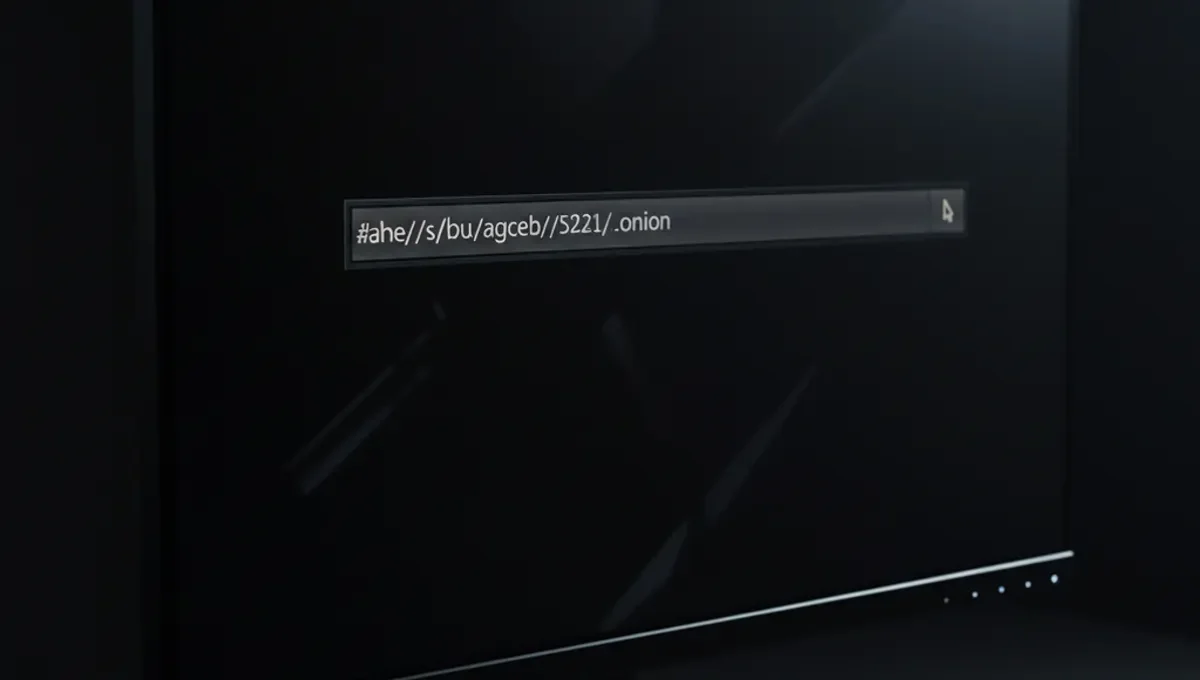
A website for dark web is an onion service, a web application hosted on the Tor network and accessible only through the Tor Browser. Unlike regular websites with .com or .org domains, onion sites use 56-character .onion addresses that look like random strings. The Tor Project created this system so websites could operate without revealing their server location or the visitor's IP address.
Onion services are not inherently illegal. Libraries, news organizations, whistleblowing platforms, and privacy advocates run legitimate onion sites. The same technology that protects journalists in hostile countries also hosts illegal marketplaces, which is why the term dark web carries a criminal association. Understanding the difference between the technology and its uses is essential before visiting any website for the dark web.
How Onion Addresses Work and Why They Matter
An onion address is generated cryptographically by the server itself, not registered through a domain registrar. This means no central authority controls who can claim a .onion address, and the address cannot be seized or redirected by law enforcement in the way a traditional domain can. The address encodes the server's public key, so visitors can verify they are reaching the intended site.
This design has a critical consequence: if you lose or mistype an onion address, you have no way to recover it. There is no DNS lookup, no search engine index, and no customer service to reset your password. Many users rely on link directories or mirrors to find onion sites, which creates a vulnerability. Phishing clones of popular websites for dark web marketplaces exploit this by creating nearly identical addresses and spreading them through forums or social media.
Legitimate Uses of Onion Websites
Onion sites serve purposes beyond criminal activity. Whistleblowing platforms like SecureDrop allow journalists to receive anonymous tips from sources without logging IP addresses or metadata. Human rights organizations operate onion mirrors in countries where their main websites are blocked. The Tor Project itself runs an onion site for users in regions where Tor is censored or monitored.
Privacy-focused email providers, forums for security researchers, and archives of censored content also operate as websites for dark web. These services exist because standard internet infrastructure is subject to surveillance, censorship, and geographic blocking. Understanding that onion services have legitimate purposes helps you evaluate whether a particular website for the dark web is worth visiting and what precautions you should take.
Reality Check: How Phishing and Clones Work
The Tor Project documentation warns that onion addresses are difficult for humans to remember or verify by sight. This creates an opening for attackers. A phishing clone of a popular marketplace might use an address that differs by only one or two characters from the real one. Users who find the address through an unreliable source, a cached link, or a forum post may not notice the difference.
Once a user lands on the clone, they may enter credentials, cryptocurrency wallet information, or personal details. The attacker then uses this data to access the real site with the victim's account or to impersonate them. This attack pattern has affected users of multiple well-known websites for dark web markets. The lesson: always verify an onion address through an official PGP-signed announcement or the Useful Resources page of this site, never through a casual link or a mirror you find on social media.
How to Verify You Are on the Real Website
Verification requires multiple steps because no single method is foolproof. Start by obtaining the onion address from an official source only:
- Check the organization's main website for a link to their onion mirror
- Look for a PGP-signed announcement on their official social media or mailing list
- Consult the Useful Resources page of this site for links to verified onion addresses
- Cross-reference the address with multiple independent sources
Once you have the address, open it in Tor Browser and check the site's security certificate. Tor Browser will display a green lock icon if the connection is encrypted. Look for any warnings about the certificate. If the site offers PGP-signed messages or security keys, verify the signature using the organization's public key. Never assume a site is legitimate just because it loads without errors.
Common Mistakes When Visiting Websites for Dark Web
Users often make preventable errors that compromise their security. Running Tor Browser alongside a VPN can create a false sense of security and may actually leak your IP address depending on configuration. Maximizing your browser window reveals your screen resolution, which combined with other data can help identify you. Downloading files from untrusted onion sites without scanning them first exposes you to malware.
Another mistake is trusting a website for dark web based on its appearance or user reviews alone. Scam sites are often polished and include fake testimonials. If a site promises guaranteed anonymity, instant wealth, or access to illegal goods with no risk, it is almost certainly a scam or a honeypot run by law enforcement. Assume that any marketplace or forum you visit may be monitored, may exit scam at any time, or may be operated by authorities.
Why Law Enforcement Targets Onion Websites
Law enforcement agencies have successfully identified and prosecuted operators of illegal websites for dark web by analyzing Tor traffic, exploiting operational security mistakes, and using undercover accounts. Court records show that even experienced operators have been caught through careless mistakes like reusing usernames, revealing personal information, or failing to isolate their server infrastructure.
The Tor network itself is not compromised, but individual websites for dark web can be. If you visit a marketplace that is later seized, your activity may be logged by law enforcement. Tor Browser protects your IP address from the website operator, but it does not protect you from your own mistakes, such as using the same username across sites or uploading identifying documents. Understanding this reality is crucial for anyone considering visiting onion services for any reason.
Your Next Step: Verify Before You Visit
The core takeaway is simple: a website for dark web is only as trustworthy as your ability to verify its address and your discipline in protecting your own identity. Before visiting any onion site, obtain the address from an official source, check it against multiple references, and verify the connection in Tor Browser. If you cannot confirm the address through an official channel, do not visit.
Start by reviewing the Useful Resources page of this site, which lists verified onion addresses for legitimate organizations and platforms. Bookmark those addresses in Tor Browser and never rely on search results, forum posts, or cached links to find them again. This single habit will protect you from the majority of phishing attacks and scams targeting websites for dark web.
Frequently Asked
Is a website for dark web illegal
No. Onion sites themselves are not illegal, and many legitimate organizations operate them. The Tor Project, libraries, and news outlets run onion mirrors. However, some websites for dark web host illegal content or services. The legality depends on what the site does, not on whether it uses a .onion address.
How do I find a real website for dark web
Obtain the onion address only from official sources: the organization's main website, a PGP-signed announcement, or verified directories like the Useful Resources page of this site. Never use search results, forum links, or cached mirrors to find a website for dark web. Cross-reference the address with multiple independent sources before visiting.
Can I access a website for dark web without Tor Browser
No. Onion sites are only accessible through Tor Browser or similar Tor clients. Using a standard browser or a VPN alone will not allow you to reach a .onion address. Download Tor Browser from the official Tor Project website only.
What happens if I visit a website for dark web that gets seized
If law enforcement seizes a website for dark web, your activity may be logged depending on how the site was operated and what data it collected. Tor Browser protects your IP address, but it does not protect you from your own mistakes, such as reusing usernames or uploading identifying information. Assume any site you visit may be monitored.
Why do phishing clones of websites for dark web work so well
Onion addresses are 56-character random strings that are difficult for humans to verify by sight. A phishing clone may differ by only one or two characters. Users who find the address through an unreliable source often do not notice the difference and enter their credentials on the fake site.