What Constitutes a Dark Website Hack
A dark website hack typically refers to unauthorized access to an onion service, data theft from its users, or the creation of a fraudulent clone designed to steal credentials and funds. Unlike surface web hacks, darknet compromises often go undetected for weeks because the affected community may not have a central authority to announce the breach. Attackers may gain access through weak administrator passwords, unpatched server software, or social engineering targeting site operators. Once inside, they harvest user databases, private messages, cryptocurrency wallets, or forum credentials. The damage extends beyond the initial compromise; clones of popular dark websites often appear within hours, mimicking the original to capture users who mistype addresses or follow outdated links.
Common Attack Vectors on Darknet Services
Darknet operators face a unique set of threats. Many run services on aging infrastructure with minimal security updates, partly because updating software on a hidden server carries operational risk. SQL injection, weak authentication, and unencrypted backups remain prevalent vulnerabilities. Attackers also exploit the trust users place in established communities; a compromised administrator account or a leaked PGP key can give an attacker the ability to post announcements, reset passwords, or access the site's private data. Distributed denial-of-service attacks are common as well, used both to extort operators and to create confusion during which a phishing clone can be promoted as the "real" site moved to a new address. Social engineering is equally effective; operators who receive a message claiming to be from the Tor Project or a security researcher may inadvertently grant access or install malicious code.
Phishing Clones and Address Spoofing
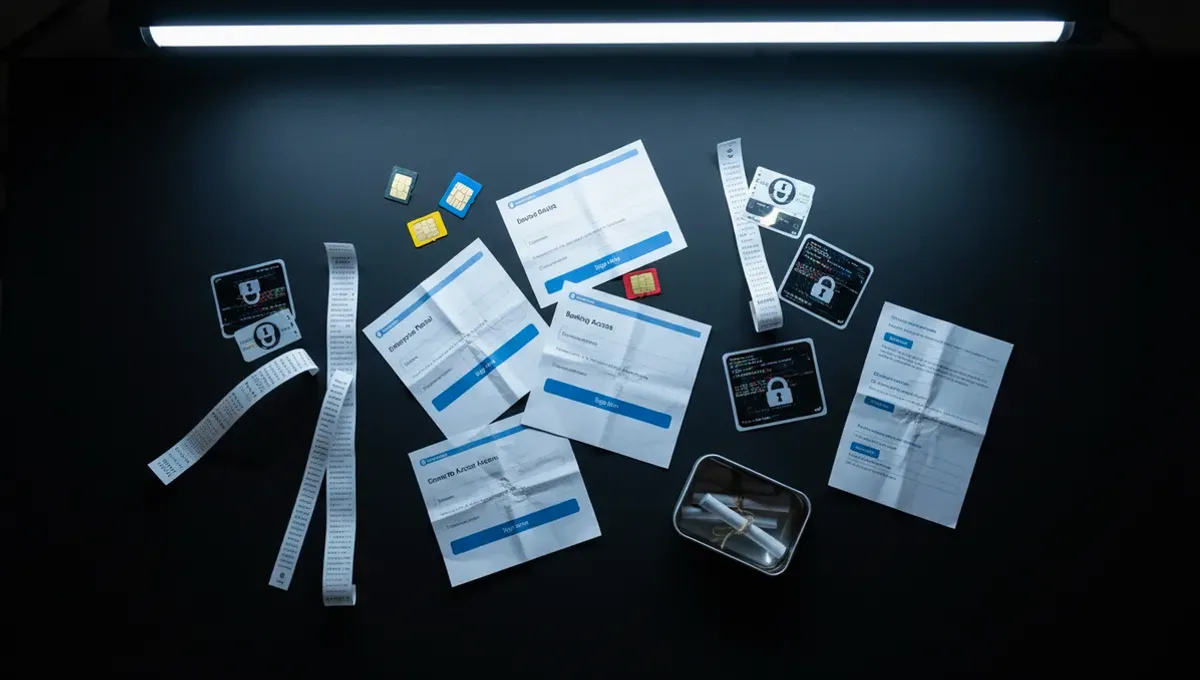
One of the most effective attacks on dark website users is the phishing clone. An attacker registers a similar .onion address (often differing by a single character) and mirrors the legitimate site's appearance. Users who misremember the address, follow an outdated bookmark, or click a link from an unverified source land on the clone instead. The clone captures login credentials, two-factor codes, or cryptocurrency sent to its deposit addresses. Because onion addresses are long, random strings, users cannot easily verify authenticity by sight alone. This is why the Tor Project and security researchers recommend that legitimate services publish their official .onion address on PGP-signed announcements, accessible only through verified channels. A user who finds a dark website on Google search results or a random forum post has no way to confirm it is genuine; the address could be a clone operated by anyone.
How Attackers Access Dark Websites
Gaining administrative or user access to a dark website typically follows one of several paths. An attacker may exploit an unpatched vulnerability in the web application itself, such as a file upload flaw or a broken access control check. They may also target the server's operating system if it is outdated or misconfigured. Credential theft is another vector; if a site operator reuses passwords across services, a breach on one platform can compromise their darknet account. Some attackers use malware or keyloggers to capture administrator credentials before attempting access. Once inside, the attacker may install a backdoor, exfiltrate the entire user database, or modify the site's code to inject malicious scripts that steal visitor data. The attacker may then either sell the stolen data, hold it for ransom, or simply delete it to disrupt the service and damage its reputation.
Reality Check: How Darknet Security Actually Works
According to Tor Project documentation, onion services are technically resilient against network-level attacks because the Tor protocol itself is sound. However, the security of any individual service depends entirely on the operator's implementation and operational discipline. Security-vendor incident reports on compromised darknet markets show that most breaches result from human error, weak passwords, or outdated software rather than sophisticated zero-day exploits. Law-enforcement press releases on seized darknet markets reveal that many operators failed to implement basic security practices such as air-gapped servers, encrypted backups, or multi-signature cryptocurrency controls. This matters to you because it means that a dark website hack is almost always preventable through proper security hygiene; the risk is not inherent to the darknet itself but to how individual services are run. Academic research on onion services confirms that the majority of compromises could have been mitigated with standard security practices.
Protecting Yourself from Dark Website Hacks
If you use darknet services, several practices reduce your exposure to compromise. First, verify the official .onion address through multiple independent sources before logging in; never rely on a single link or search result. Second, use a unique, strong password for each service and enable two-factor authentication if available. Third, assume that any service can be compromised at any time; do not store sensitive data on a darknet site that you cannot afford to lose. Fourth, monitor your account activity regularly and watch for unexpected password reset emails or login attempts. Fifth, use a dedicated virtual machine or Tails for darknet browsing to isolate any malware that might be injected by a compromised site. Sixth, keep your Tor Browser and operating system fully patched. Finally, if you suspect a site has been hacked, do not attempt to log in again; instead, check the site's official PGP-signed announcements or contact the operators through a verified channel to confirm the breach.
Recognizing and Reporting a Compromised Service
Signs that a dark website may have been hacked include unexpected downtime, unusual administrator announcements, requests to reset passwords, or reports from other users of missing funds or data. If you notice these red flags, stop using the service immediately and change your password on any other site where you used the same credentials. Report the suspected compromise to the site's operators through their official contact method if one exists. If the site is a known marketplace or forum, post a warning in relevant security communities, but do so carefully to avoid spreading misinformation. Document any evidence of the compromise, such as screenshots or transaction records, in case you need to report it to law enforcement or dispute fraudulent charges. Remember that many darknet communities do not have formal incident response procedures; your report may be the first alert that something is wrong. Do not attempt to access the site's backend or conduct your own investigation, as this could be illegal and may interfere with any official investigation.
Moving Forward: Building Safer Habits
The core lesson is that dark website hacks are not inevitable; they result from specific security failures that can be identified and prevented. Whether you are researching the darknet for academic or professional reasons, or using it for legitimate privacy needs, your best defense is skepticism and discipline. Treat every onion address as potentially compromised until you have verified it through an official, PGP-signed source. Use security tools like Tails or Whonix to isolate your darknet activity from the rest of your system. Keep your Tor Browser updated and never disable security features for convenience. If you discover a vulnerability in a darknet service, report it responsibly to the operators rather than exploiting it. By adopting these practices, you reduce the likelihood that you will become a victim of a dark website hack and help maintain the integrity of the communities you rely on.
Frequently Asked
What is a dark website hack
A dark website hack is unauthorized access to an onion service, theft of user data, or the creation of a phishing clone designed to steal credentials and funds. Compromises can occur through exploited vulnerabilities, weak passwords, social engineering, or unpatched software. Unlike surface web breaches, darknet hacks often go undetected for weeks because there is no central authority to announce them.
How do I know if a dark website has been hacked
Signs include unexpected downtime, unusual administrator announcements, requests to reset passwords, or reports from other users of missing funds. If you suspect a compromise, stop using the service immediately and change your password on any other site where you used the same credentials. Check the site's official PGP-signed announcements to confirm.
Can I protect myself from dark website hacking
Yes. Verify the official .onion address through multiple sources, use unique strong passwords with two-factor authentication, assume any service can be compromised, monitor your account activity, use a dedicated virtual machine or Tails for browsing, and keep your Tor Browser and operating system patched.
What is a phishing clone on the dark web
A phishing clone is a fraudulent copy of a legitimate onion service, typically hosted at a similar .onion address that differs by a single character. Users who misremember the address or follow an outdated link land on the clone instead and have their credentials or funds stolen. Clones are effective because onion addresses are long random strings that are difficult to verify by sight alone.
How do darknet hackers gain access to websites
Common methods include exploiting unpatched software vulnerabilities, stealing administrator credentials through malware or password reuse, social engineering site operators, and leveraging weak authentication. Once inside, attackers install backdoors, exfiltrate databases, or inject malicious code to steal visitor data. Most breaches result from human error or poor security practices rather than sophisticated exploits.